Profitable Solutions to Pollution
Since 1993, Aqua-Terra Consultants have provided process and environmental engineering services to the seafood processing, aquaculture and rendering plants. Using plant audits, we maximize the recovery of products and by-products, we optimize water use and then integrate our patented AFS™ (Advanced Foam Separation) technology to meet regulatory requirements.
What is AFS™ Treatment Technology?
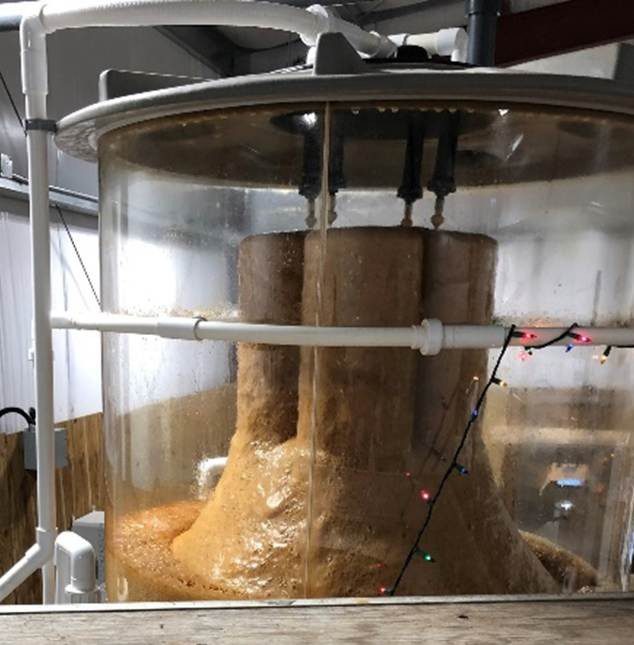
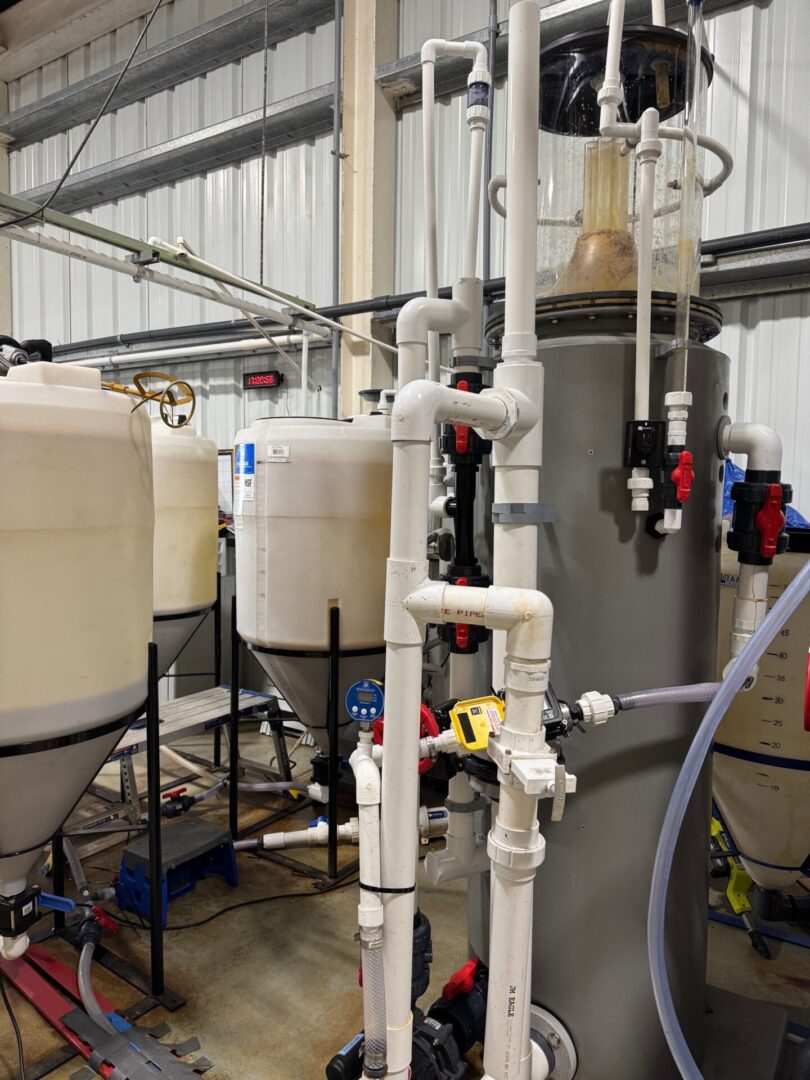
Aqua-Terra Consultants holds 4 patents for a process water treatment and by-product recovery system. This unique process (Advanced Foam Separation, AFS™), is a fusion of the best attributes of Foam Fractionation (FF) and Dissolved Air Floatation (DAF). Screened wastewater undergoes coagulation, flocculation and precipitation before entering a solids separation tower where air and gasses are added. The recovered solids exit the top of the tower as foam and the clean effluent exits the bottom of the tower. The recovered solids can be upcycled as a soil amendment and have the potential to be used as an animal feed ingredient.
Why AFS™ Treatment Technology?
Today’s environmental regulations require a high level of treatment performance, much higher than what was required in 1974/1975 when EPA issued the Effluent Limitation Guidelines (ELGs) for seafood. The EPA model technology at that time was Dissolved Air Floatation using polyacrylamide (PAM), which produced a sludge that was recycled into animal feeds. However, today sludge produced by adding PAM is considered toxic and is not suitable for animal feeds and is generally sent to landfill. As a consequence, sludge disposal is now more costly. Also, PAM sludge is not amenable to upcycling or for use in the circular economy.
Seafood processing wastewater can have highly variable flow, salinity and temperature. Daily flows can exceed 1.5 million GPD, which makes certain technologies too expensive on a dollars per gallon basis. After bench and pilot testing a variety of available treatment technologies, we were unable to find a simple, cost-effective system that would meet the state and federal environmental discharge regulations. Our solution was to fuse the best attributes of two known technologies, FF and DAF, in a novel way that together outperforms the individual technologies. AFS™ can meet primary, secondary and tertiary treatment requirements depending on the site specific characteristics of the wastewater and governmental requirements.